A good shave rewards you twice. First with a smooth face or a well-defined beard line, second with the quiet satisfaction that you didn’t let a tool bully your skin. If you’re moving from a disposable razor to a safety razor, or even flirting with a Shavette or straight razor, that feeling might seem a few weeks away. It doesn’t have to be. Most early frustrations with a double edge razor come from a small set of avoidable mistakes. Fix those, and the learning curve shrinks to a handful of shaves.
I’ve taught plenty of beginners how to use a single blade razor, both in barbershops and through product training. The advice below is grounded in what actually trips people up at the sink. Along the way I’ll name specific razors and products that have proven friendly to new hands, like the Merkur 34C and some of the milder Henson Shaving models, without pretending any one brand is magic. Your skin, your stubble, your preferences, and your patience all matter.
Why a double edge razor feels different
Most disposable razors hide the blade behind guards and lubricating strips, then add a carousel of extra blades. They are designed to force a passable result even with sloppy technique. A safety razor, whether a two-piece classic like the Merkur 34C or a modern aluminum design like a Henson razor, puts one keen edge directly on your skin. You choose the blade, the angle, the pressure, and the lather. That control is the point. It’s also why small errors show up as nicks, razor burn, or rough patches.
The upside arrives quickly. Once your technique settles, a double edge razor can deliver closer shaves with less irritation, especially if you have coarse hair or shave daily. Blade costs drop to a fraction of cartridges. You also gain the flexibility to pair different double edge razor blades with your razor head and your skin. That tuning is what turns shaving from a chore into a repeatable craft.
The seven mistakes that make beginners quit early
The most common problems aren’t mysterious. They show up again and again in the same places: technique, prep, and expectations. Correcting them doesn’t require fancy gear or years of practice, just attention to detail and a willingness to change one habit at a time.
Mistake 1: Using pressure the way you would with a cartridge
The first reflex from cartridge users is to press, especially on the jawline and chin. A safety razor rewards the opposite. Let the razor’s weight do the work and keep the touch feather-light. If you’re using something very light, like certain Henson Shaving aluminum models, you still don’t press, you simply allow a whisper of contact and adjust angle rather than force.
A practical test helps. Shave your forearm without lather to practice the drag. Hold the handle near the end for less leverage, and start a stroke from the elbow toward the wrist. If you see the skin pillowing around the cap, you’re pressing. You should feel a glide with a faint cutting sound, not a scrape. After two or three passes on the forearm you’ll have calibrated your hand for your face.
Mistake 2: Using the wrong angle and chasing it with your wrist
With a safety razor the cutting happens when the blade meets hair at roughly a 30-degree angle. Too steep and you scrape. Too shallow and you skip. Many new shavers drive the angle with their wrists, constantly rolling the handle, which makes for uneven contact and random irritation.
Use this on-face routine. Place the top cap of the razor flat on your cheek so the blade isn’t touching. Keeping the handle parallel to the floor, slowly lower the handle until you just hear the blade whisper through stubble. That’s your angle. Now freeze your wrist. Move the razor by shifting your entire forearm and shoulder. On the neck, where the surface curves, adjust by tiny increments and reset your angle after every couple of centimeters. This is a learned motion, but it sticks quickly.
Modern razors with generous cap and guard geometry, like the Merkur 34C, are forgiving in this respect. A very rigidly clamped design, such as a Henson razor, will telegraph angle errors immediately. Treat that feedback as a coach, not a criticism.
Mistake 3: Ignoring hair map and growth patterns
Almost every new wet shaver overestimates how consistent their beard growth is. Check the neck under decent light and you’ll see swirls and crosshatches. Shaving everything “downward” or “upward” means you’re going against the grain in some areas without realizing it, which is why the neck lights up and the cheeks seem fine.
Spend five minutes mapping growth by running fingertips across dry stubble. Mark arrows on a mirror with a washable pen or take photos after a day’s growth, then draw the map. Plan your first pass with the grain everywhere, even if that means your strokes change direction mid-cheek. On the neck, many people have hair that grows from ear to Adam’s apple or in crescents under the jaw. Follow those lines on your first pass. If you want a closer result, use a second pass across the grain, not against. Save true against-the-grain passes for when your technique is settled and your skin has proven it tolerates them.
Mistake 4: Treating lather like flavored air
Canned foam is mostly propellant and convenience. It does the job when you’re in a hurry, but it can’t touch a good brush-and-soap lather for cushion and glide. Beginners often swirl a shaving brush on puck or in a bowl for ten seconds and call it good, then wonder why the razor skips and tugs.
Quality lather needs water, more than you think. Soak the brush in warm water while you shower. Shake it twice so it’s damp, not dripping. Load product longer than feels necessary. For a hard shaving soap, 20 to 30 seconds of loading creates a dense paste in the brush. For a soft cream, a pea to almond sized dollop will do. Work it in a bowl, adding a few drops of water at a time, until the lather turns glossy and forms soft peaks. If it looks like meringue, you’re close. If it looks like Styrofoam, you need more water. On the face, paint first, then make gentle circular motions to lift hairs and drive lather to the roots. The difference on the first stroke is immediate: less chatter, more glide.
The product matters less than the technique. You can build a fine lather from mainstream shaving soap or an artisan croap, and the same goes for creams. A good badger or synthetic shaving brush both work, with synthetics offering quick dry time and consistent performance. If you already own a brush from a cigar accessories set that came bundled with a stand, it will likely work; just don’t skimp on hydration.

Mistake 5: Buying the sharpest blade first, or the dullest, and quitting before you test
Blade choice derails more beginners than any other variable. You read that Feather blades are the sharpest and assume sharper means better, then slice yourself and blame the razor. Or you buy the cheapest pack of double edge razor blades your shop has, dull out in three shaves, and decide a single blade razor isn’t for you. The truth sits between. You’re pairing three things: the razor head’s aggressiveness, your skin sensitivity, and your stubble’s coarseness.
Milder razors benefit from a slightly sharper blade to avoid tug. More efficient heads run well with a middle-of-the-road blade. If your beard is fine to medium, you can start with something like Astra SP, Gillette Silver Blue, or Personna Lab Blue. If your growth is wire-brush tough, a sharper option like Nacet or Feather might make sense, but reduce pressure further and shorten strokes. Test packs are worth it. Try three to five brands over two weeks. Keep notes on comfort day one and day three. Any blade that tugs on the first pass or leaves you fiery by lunch should be bumped from the roster.
Also watch longevity. Some blades give two great shaves and then fall off a cliff. Others, like certain stainless options, feel the same for four or five. There’s no prize for stretching a blade to a week if your skin pays for it. Toss it when you notice more resistance, which for most people is after three to five uses.
Mistake 6: Skipping prep and rushing the rinse
Face prep sounds like a spa add-on until you try shaving dry after a long day and see the weepers bloom. Hair softens with heat and water. Skin protects itself better when clean and supple. A warm shower before shaving solves most prep problems. If you’re not showering, soak a towel in hot water and hold it to your face for a minute. Wash with a gentle cleanser to remove oils that repel lather. Don’t use body soap that leaves a tight, squeaky feel; that film can interfere with glide.
Post-shave habits matter just as much. Rinse thoroughly with cool water to close blood vessels and calm the surface. Pat dry, don’t rub. Use an alcohol-free balm if you’re prone to dryness or shave daily. If your skin tolerates alcohol, a splash can disinfect tiny nicks, but follow with something soothing. Witch hazel is a reliable middle ground. Over time your skin will toughen, but never mistake toughness for neglect. The best double edge razor routine is gentle from start to finish.
Mistake 7: Chasing baby-smooth on day one and working the same spot to death
You see barbers polishing a cheek with a straight razor until it looks like glass and think that should be you. What you didn’t see was the prep, the blade angle honed by thousands of strokes, and the restraint to stop before the skin protests. Beginners often overshave, especially on the jaw corners and lower neck, doing a third or fourth cleanup pass dry. That grates off the top layer of protection and sets up razor burn, ingrowns, and a bad mood.
Aim for comfortable close, not perfect smooth, for the first ten shaves. Limit yourself to two passes: with the grain, then across the grain. If you need touch-ups, re-lather that small area and limit yourself to one or two short strokes at a fresh angle. If you still feel stubble, live with it until your technique improves. You’ll be surprised how little difference it makes visually, and the following day’s shave will go better on uninflamed skin.
A few words on razor choices and how they play with technique
Tools don’t replace technique, but they do affect the margin for error. The Merkur 34C has earned its reputation for beginner friendliness because its head geometry finds a sweet spot between mild and efficient. It masks minor angle mistakes and works well with a broad range of razor blades. A Henson razor uses tight tolerances and very little blade exposure to control chatter; it rewards a steady hand and a deliberate angle, especially with lighter strokes. Neither is universally “best,” but both make learning easier than a highly aggressive safety razor.
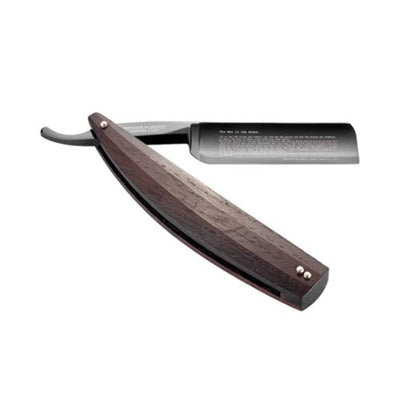
If the romance of a straight razor or Shavette calls to you, know that the same fundamentals apply, amplified. Pressure becomes microscopic, angle hovers around 20 to 25 degrees, and skin stretching is mandatory. A Shavette with half a DE blade exposes every lapse in prep and focus. Many barbers train on a Shavette because it demands consistency, but for personal use, it’s wise to master a safety razor first. You can graduate later if you enjoy the ritual.
The term “edge razor” shows up in marketing, sometimes as shorthand for any razor with a replaceable single edge. Stick to the specifics that matter: blade type, head design, weight, balance, and how those align with your beard map. Fancy names don’t beat a steady hand.
Building a reliable routine that fits your morning
Consistency beats gear acquisition. The easiest path from beginner to confident daily shaver is a repeatable routine that you can complete in around ten minutes. It looks like this: hydrate and warm the face, build a glossy lather with enough water to shine, shave with light pressure at the correct angle following your hair map, rinse cool, balm. As your touch improves, you can shorten or stretch the process without sacrificing results.
A common pitfall is changing too many variables after a rough shave. If you swapped soap and blade and razor, you won’t know which caused the problem. Change only one thing every few shaves. Keep short notes, even a sentence: “Astra in 34C, two passes, no burn.” In three weeks, patterns appear.
Troubleshooting by symptom
When something goes wrong, the skin tells you what to fix. Reading those signals is a useful skill.
- If you get a line of weepers across the Adam’s apple, your angle went steep as the surface curved. Re-establish the angle on a flat section, then use shorter strokes on the neck and stretch the skin slightly to flatten the area. If the shave feels tuggy from the first touch despite good lather, the blade is too dull for your growth or has reached the end of its life. Replace it or choose a sharper brand. On the flip side, if cuts multiply at the slightest misstep, try a slightly less aggressive blade or a razor with less exposure. If you see tiny red follicles the next day, you may be shaving too close against the grain in a region prone to ingrowns, often the lower neck or jawline. Switch the second pass to across the grain and use lighter pressure. An aftershave with salicylic acid once or twice a week can help prevent trapped hairs. If your skin feels tight and flaky, your lather lacked water or your post-shave routine is drying. Add more hydration to your build, rinse cool, and use a balm without heavy fragrance or alcohol. If the jawline always feels rough, adjust stroke direction to match the diagonal growth pattern common there. Don’t chase closeness by pressing harder; change the angle or direction slightly while keeping the same light touch.
A focused, simple starter setup that works
New shavers often ask for a shopping list that won’t punish mistakes. You don’t need a suitcase of products. One mild to medium safety razor, a couple of dependable blade options, a brush you like, and a forgiving soap or cream will carry you for months. A Merkur 34C or a mild Henson Shaving model are good places to start. For blades, pick two from different “families,” say Astra SP for balance and Nacet for sharpness, then test. Choose a synthetic shaving brush if you want quick-dry convenience. For product, a mid-structure shaving soap or cream that lathers easily in your water is better than a finicky cult favorite. Even drugstore creams can work when hydrated properly. Add an alcohol-free balm with ingredients like glycerin and witch hazel.
If you are in a market like Henson Shaving Canada, local availability might steer you more than brand loyalty. That’s fine. Reliability and technique beat rare labels every time.
Technique refinements that separate a good shave from a great one
Once the fundamentals feel natural, small changes create big improvements. Stretching the skin lightly with your off hand around the mouth and jaw yields a cleaner cut without pressure. Short strokes of two to three centimeters maintain angle across curves better than long windshield passes. Rinsing the razor under running water between strokes prevents accumulated lather from altering the blade’s contact. On the mustache area, lift the nose slightly and make feather-light diagonal strokes instead of straight down; the slant helps the edge slice rather than push.
Auditory feedback matters. A consistent, fine cutting sound usually means good angle and light pressure. A scratchy rasp suggests scraping. Silence can mean you lost contact or your lather is too dry. Listening to the blade, as odd as that sounds, teaches you more quickly than staring at the mirror.
Where disposables still fit, and why you may not miss them
There are days when a disposable razor seems easier, especially if you’re traveling light. It will always be faster to rip through a quick pass with a cartridge in a hotel bathroom than to unpack a kit and bowl. Still, a travel-sized shaving cream and a compact safety razor don’t take much space, and the results on a long trip are kinder to your skin. Some people carry a Shavette as a packable option because it uses halved double edge razor blades, though it does demand focus. If you plan to keep both worlds, treat the disposable as your raincoat rather than your daily uniform.
Safety notes you’ll be glad you followed
Respect the blade, not out of fear but out of awareness. Store razor blades dry and out of reach of small hands. Dispose of used blades in a tin or a blade bank, not the open trash. If you ever drop a straight razor or safety razor, step back and let it fall. Inspection beats stitches. When cleaning, unscrew the head, rinse thoroughly, and pat dry; don’t wipe the blade edge lengthwise with a towel. Your fingers will lose that argument.

The two-minute recalibration routine
Even experienced shavers have off days: bad sleep, cold room, rushed schedule. Rather than force the same strokes, run a quick reset.
- Splash warm water for 20 seconds, then apply a fresh, wetter layer of lather to the area that felt rough. With the razor unloaded or capped with your thumb and forefinger safely away from the edge, practice finding the angle on your cheek again by rolling from cap to guard until you hear that faint whisper. Reload the blade, and resume with shorter, lighter strokes.
This small pause prevents compounding mistakes and salvages the https://classicedge.ca/collections/strops-sharpening-stones shave.
Final perspective: control what you can, ignore what you can’t
A double edge razor hands you more control than a disposable, and with that control comes responsibility for pressure, angle, and preparation. Those are learnable. Your hair density, your neck’s topography, and your skin’s baseline sensitivity will always impose limits. Respect them. Aim for a comfortable, consistent result four mornings out of five. On the fifth, when you’re short on time, do a single, gentle pass with the grain and walk away. Your face will thank you over the long run.
The mistakes that make beginners quit are small and specific: pressing too hard, chasing the wrong angle with a rolling wrist, ignoring growth patterns, building airy lather, choosing the wrong blade, skimping on prep, and overshaving in the pursuit of instant perfection. Fix any two of those and your results jump immediately. Fix all seven and you’ll wonder why you waited so long to move to a safety razor. Whether you settle on a Merkur 34C, a precisely machined Henson razor, or any of the other well-made safety razors on the market, the key sits in your hands. Light touch, sharp blade, hydrated lather, patient passes. The rest is just practice.